A dedicated Google Play page strengthens both user experience and SEO. For users, it removes ambiguity about where the Android version lives. For search engines, it creates a clear internal URL that explains the platform-specific download path instead of relying only on an outbound store link in the header or footer. That structure makes the site feel more complete and gives Android-focused queries a more relevant entry point.
Why this Google Play page matters
Android users often search differently from iPhone users. They may look for a Google Play AI companion app, an Android private AI chat app, or a Play Store listing before committing to a download. A dedicated page lets Kayal answer that intent directly. It confirms that the app is available on Android and makes the official Play Store listing easy to reach.
It also helps keep internal linking balanced. Someone might land on the homepage, compare topic pages like private AI chat and immersive AI chat, and then want the Android version specifically. This page makes that handoff simple and crawlable.
What the Android experience highlights
The Android listing supports the same core positioning as the rest of the site: Kayal is built for private, immersive, emotionally aware AI conversation. Google Play users can review screenshots, confirm the app identity, and open the official listing directly from a page that sits inside the wider Kayal web ecosystem.
That matters because a strong Android landing page should do more than point outward. It should connect the listing to the rest of the brand: the homepage, the trust pages, the SEO topic pages, and the blog. This page gives search engines and visitors that extra context.
Google Play screenshots and trust signals
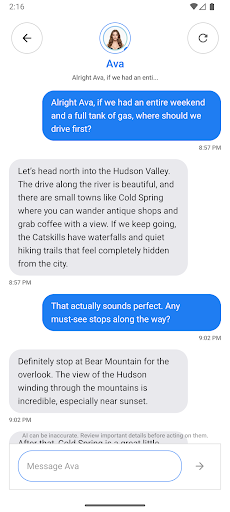
The Play Store screenshots already appear on the homepage, but this page gives them a dedicated Android context. Visitors can see that the app is live on Google Play and then review public support materials before they install. The Help, Privacy, and Terms pages are especially useful here because they strengthen trust around the Android acquisition path.
That trust layer is part of what makes the sitemap more valuable. When platform pages connect naturally to support and policy pages, the site looks more like a complete product website and less like a one-page link hub.
How this page improves search coverage
Adding a Google Play page widens the set of useful queries Kayal can answer. It gives the site a destination for Android-specific discovery, Play Store intent, and mobile platform comparisons. It also rounds out the XML sitemap so both major store paths appear alongside product, support, and editorial pages.
That richer sitemap helps crawlers understand the real shape of the website. Instead of just seeing a homepage and a few topic pages, they now see platform paths, trust documentation, and supporting content that all reinforce the same product identity.
Related pages to explore before you install
If you want the broader picture before downloading, there are good next steps inside the site. The App Store page covers the iPhone listing. The AI companion page explains the adaptive conversation model. The blog guide gives a wider search-driven view of what to look for in this type of app.
Taken together, these pages make the Google Play route more useful for humans and more visible for crawlers. That is exactly what a strong platform landing page should do.